
Where should a porta potty go on a job site or in a yard?
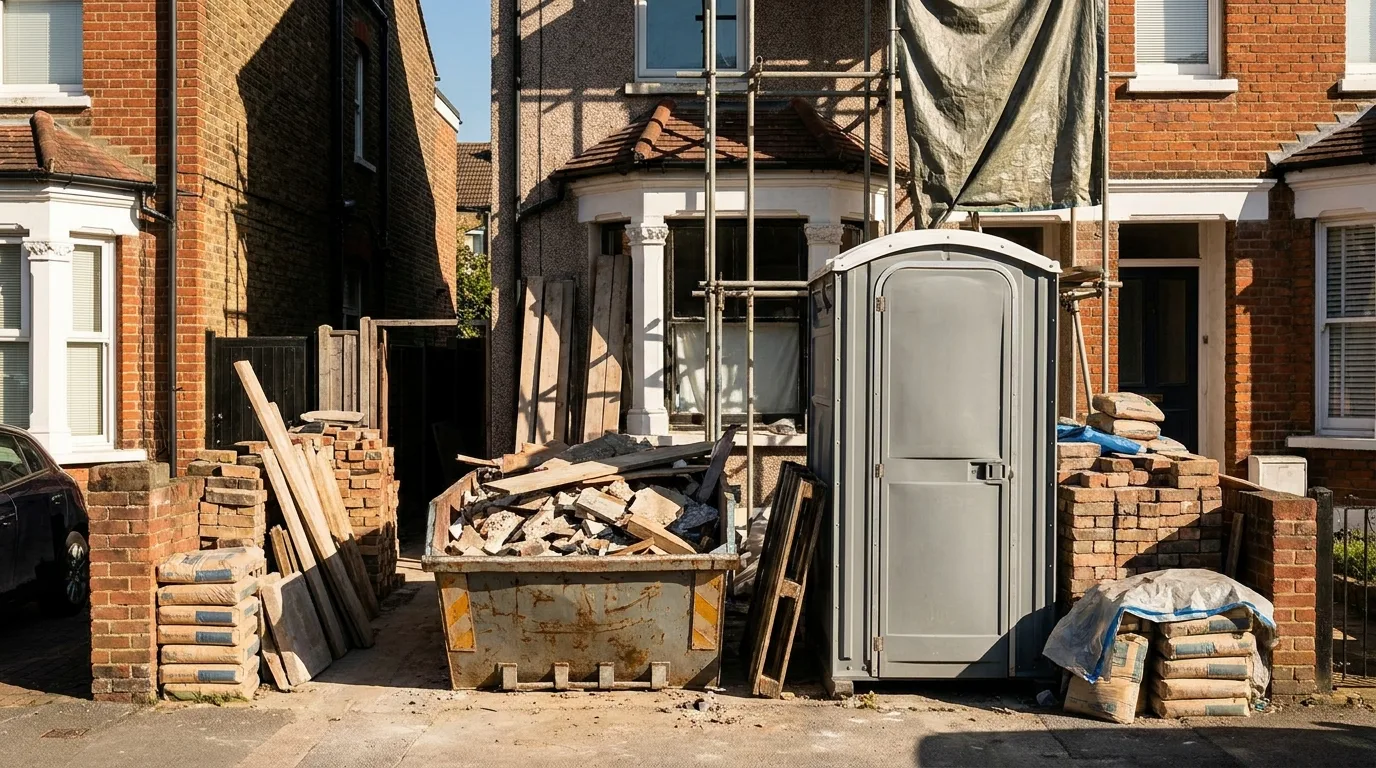
Start with ground. It has to be level and firm, because a standard unit sits on a footprint of about 44 by 48 inches and tips easily on soft dirt or a slope. Keep it away from the edge of a ditch or a storm drain. On a construction site, OSHA 1926.51(c) sets the ratio you're placing for, one facility for 20 workers or fewer, so figure out headcount before you figure out spot. Leave a straight approach for the service truck, since pump-out access matters as much as the tank size once the route fills. For events, place units near foot traffic but downwind of food tents. If you're renting an ADA accessible porta potty, the unit needs a 60 inch turning circle in front of the door and a clear route at least 36 inches wide per ADA Standards 403.5.1, plus a 32 inch door opening under 404.2.3. Clustered units need at least one accessible unit per ADA 213.2. Homeowners doing a home renovation in Yonkers usually put the unit at the curb or driveway edge, which keeps the yard clear and the service truck off the grass.
Do I need a permit to place a dumpster or porta potty in Yonkers?
Placement in the public right of way in Yonkers needs confirming with the city before delivery, since dumpster placement permit cost and requirements vary by street and by how long the unit sits. If the dumpster or restroom will sit on a sidewalk, curb lane, or anywhere off your own property line, call the city first, not after the truck shows up. On private property, driveway or lot placement usually skips that step, but confirm before you commit to a spot near a hydrant or a bus stop. A 10 yard dumpster needs less clearance than a 30 or 40 yard box; check dumpster sizes and dimensions before you pick a spot, since a roll-off delivery needs about 60 feet of straight clearance behind the truck to drop the box. If you're unsure whether your project needs a dumpster placement permit at all, our dumpster permit requirements page walks through what to ask the city.
How much clearance does a restroom trailer or storage container need?
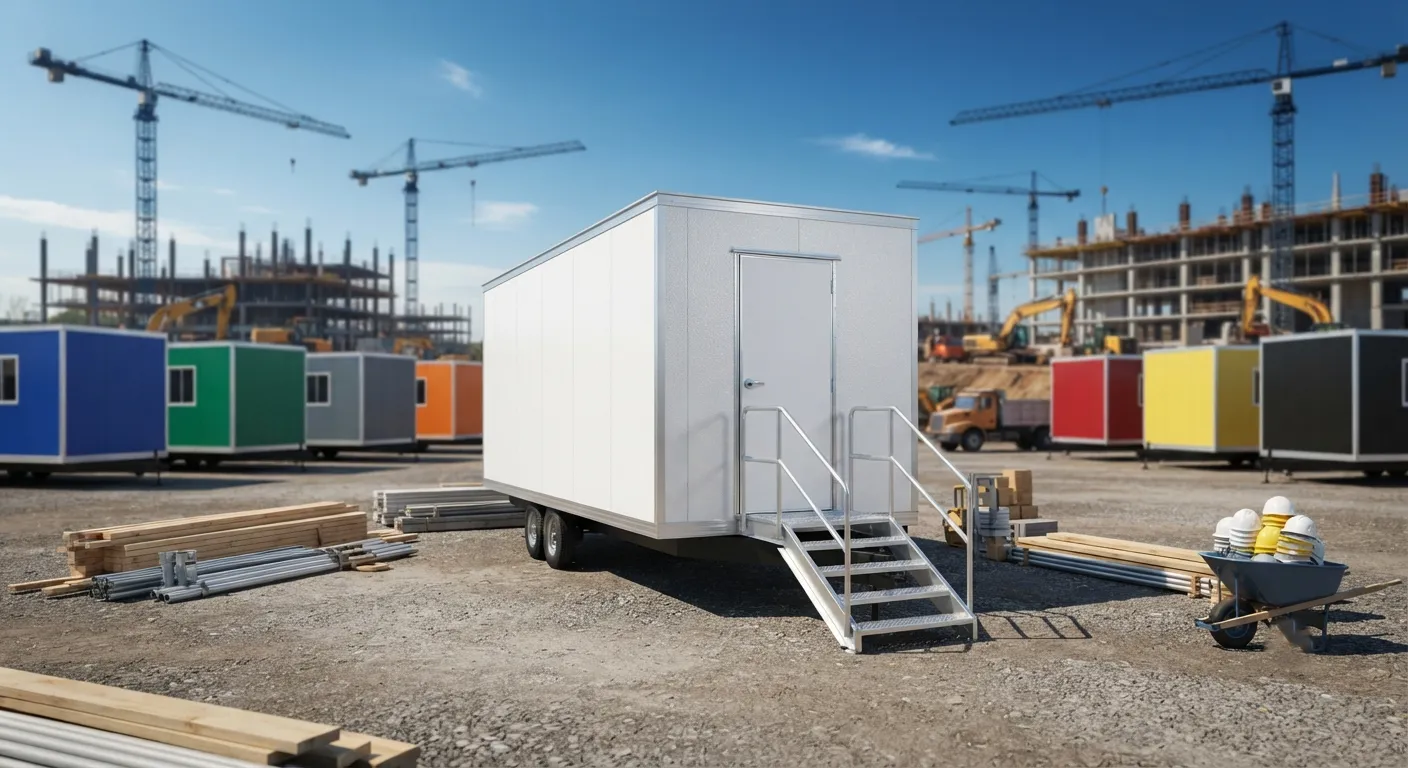
A restroom trailer needs more room than a standalone unit, mainly because of the tow vehicle and the leveling jacks. Give it flat ground, a straight backing lane, and clearance for the generator if the trailer isn't tied into shore power. An 8 stall restroom trailer takes noticeably more setup room than a 2 stall restroom trailer, so measure the site before you book size. Storage containers are simpler but heavier: a 20ft storage container or a 40ft storage container both need a hard, level pad, since they're dropped by chassis and not lifted by hand. If you're staging a mobile office trailer alongside a container, plan for door swing on both units, and if a trailer arrives with mobile office trailer replacement doors already scheduled for repair, tell the delivery crew so they don't block that side. Keep temporary fencing at least a few feet back from any unit door so it doesn't catch the swing.
Why does surface and drainage matter for placement?
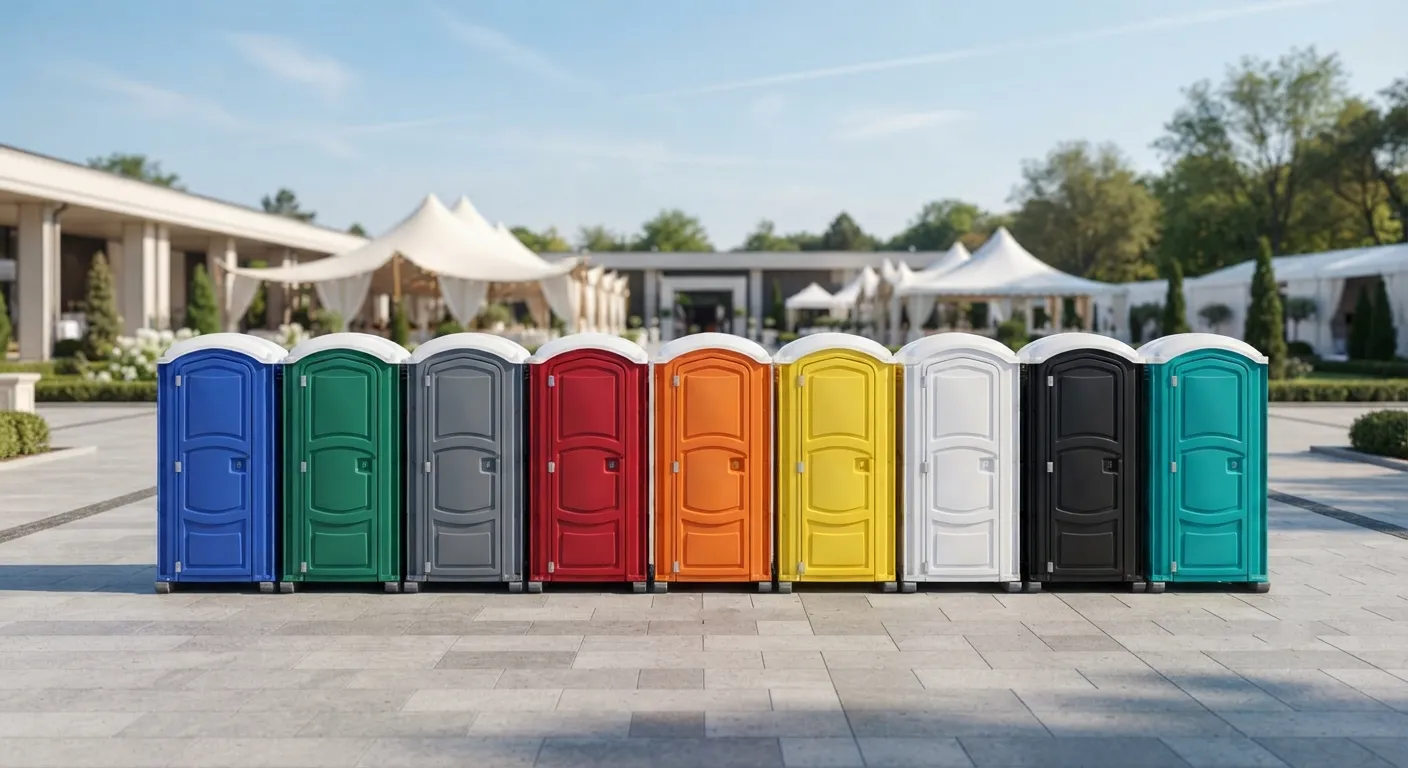
Because a full tank is heavy, and a unit sitting in mud or leaning toward a slope is a tip risk and a service problem. A standard tank holds 60 to 70 gallons, and once it's most of the way full, uneven ground turns a stable unit into an unstable one. Keep units off grates and away from anywhere runoff pools after rain, since Yonkers gets storms that can flood a low spot fast. The same logic applies to a handwashing station rental: stable, slip-resistant ground matters under ADA Standards 302.1 for any unit meant to be accessible. If you're running a jobsite that uses paints, coatings or solvents, 1926.51(f)(1) requires washing facilities for that specific exposure, not general sanitation, so place a wash station near the mixing area, not just near the toilets. For a farm site, field sanitation rules under OSHA 1928.110 call for facilities within a quarter mile walk of hand-labor crews, which changes placement math on a spread-out property. Someone maintaining a portable sink on-site who needs ozark river portable sink replacement parts should keep the unit in a covered spot so the pump and fittings don't sit exposed to weather.
Septic considerations belong in the placement conversation too, especially for holding tanks or long events. If you're comparing a placement question to a septic question, like when a Placerville septic pumping service model gets asked about locally, the same logic applies here: septic pumping trucks need the same straight, clear approach a roll-off truck needs, so don't box in the tank access point with a fence line or a parked container. A typical residential tank gets pumped every 3 to 5 years depending on size and household load, and access matters every time that truck comes back.
This page is part of our broader porta potty placement guide coverage alongside how many porta potties do I need and the main portable toilet rental hub for Yonkers.
How far back from a curb does a unit need to sit?
There's no fixed number without checking with the city, since curb and right-of-way rules vary by street. Keep it on private property when possible. If curb placement is the only option, call before delivery, the same way you would for a dumpster placement permit question.
Can a porta potty sit on a slope?
Not safely once it fills. A small grade is workable if the crew levels the base, but a real slope risks tipping. Ask about standard porta potty rental delivery options for sites with uneven ground.
Do event restrooms need different placement than construction units?
Yes, mostly around visibility and walking distance instead of worker ratios. Event restroom rental placement favors easy foot access and shade, while jobsite placement follows OSHA 1926.51(c) headcount rules.
Where should a handwashing station go relative to the toilets?
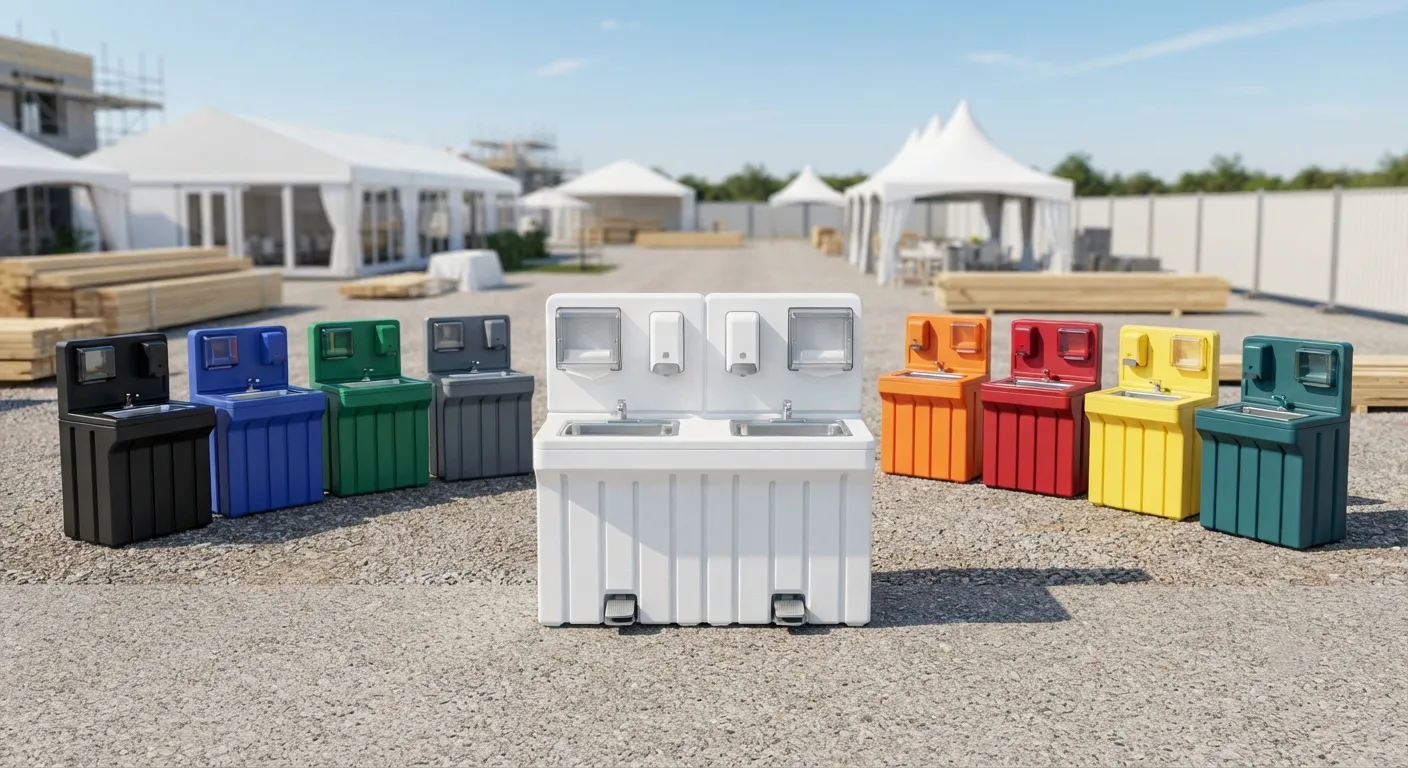
Close enough to be used, not attached to the door. Under 29 CFR 1910.141(d)(2), stations need soap and towels, so keep the portable sink rental unit accessible and out of direct sun so supplies don't degrade fast.
Does Yonkers require a permit for a temporary fence around units?
Confirm with the city before installing fencing in any public area. On private lots it's usually straightforward. Check temporary fence cost once you know the perimeter length you need.
Next step
Get a delivery date
Tell us the address, the dates and the headcount. We size the order and confirm the route.