
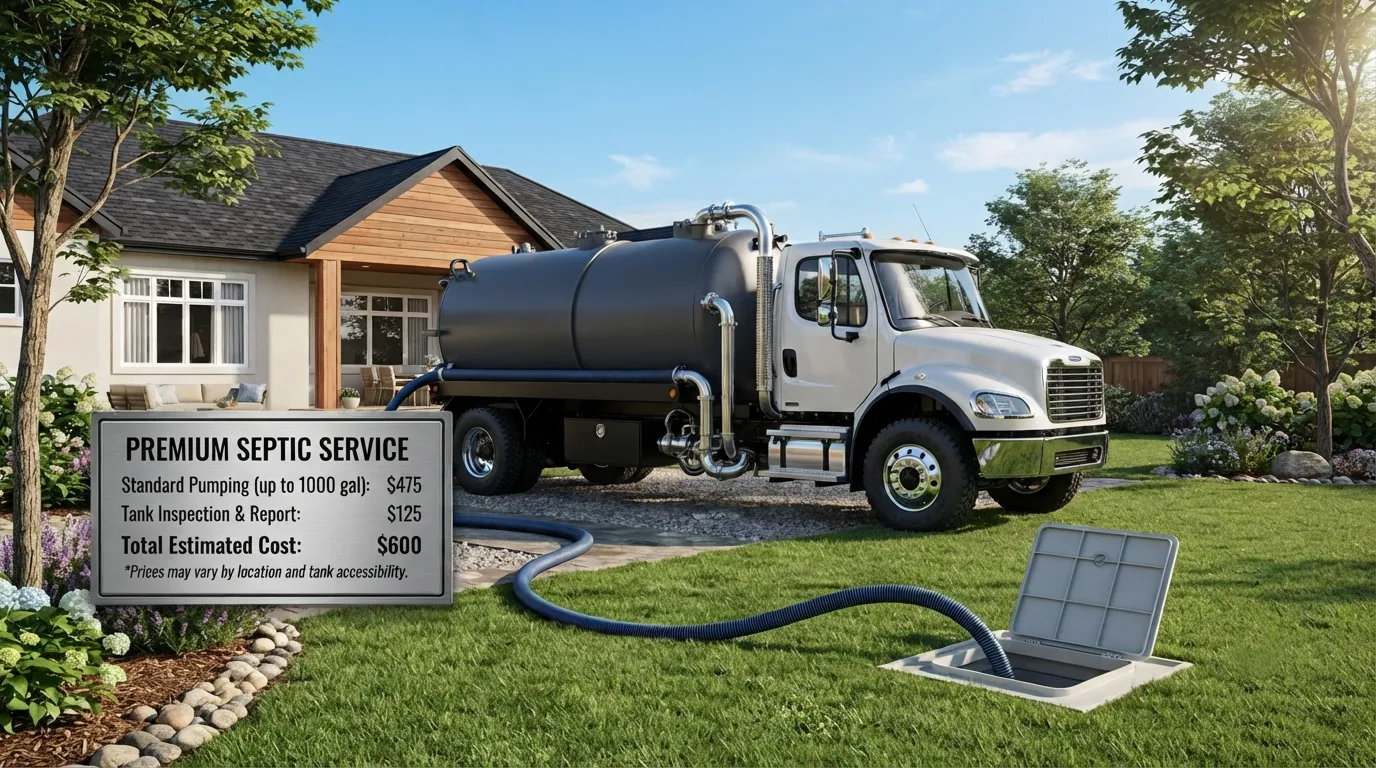
How much does septic tank pumping cost?
Straight day-rate septic pumping in Yonkers falls between 150 and 300 dollars, and that range covers most single-family tanks. What moves the price inside that band is access: a tank buried under a deck or behind a fence takes longer to reach than one with a clean, open lid. Weekend service costs 50 to 150 dollars more than a weekday slot, so if your tank is backing up on a Saturday, expect to pay the premium rate rather than the weekday one. A 1,000 gallon residential tank is typically pumped every 3 to 5 years, and that interval depends on tank size and how many people live in the house. If you are not sure where your tank sits in that cycle, our septic pumping service page and the how often to pump a septic tank guide both walk through the signs. Homes doing renovation work sometimes need a holding tank rental while the system is offline, and that is a separate cost from the pumping visit itself.
What affects septic tank cleaning prices?
Tank size is the biggest factor, followed by how backed up the system already is. A tank that is only lightly full costs less to service than one that has gone years past due, because the crew spends more time on a heavily loaded tank. Restaurants and commercial kitchens run grease interceptors instead of standard septic tanks, and those get pumped once fats, oils, grease and solids reach 25 percent of the liquid depth. That is a different job from residential septic cleaning, and we price it separately on the grease trap pumping page. Distance from our base also plays a role: a job in Tuckahoe, 3.2 miles east of Yonkers, costs less to reach than one out toward Tenafly, NJ, 16.7 miles southwest. If your property shows septic tank warning signs like slow drains or standing water near the leach field, do not wait for the scheduled pump. Emergency calls fall under our emergency septic service line, and they get dispatched ahead of routine visits.
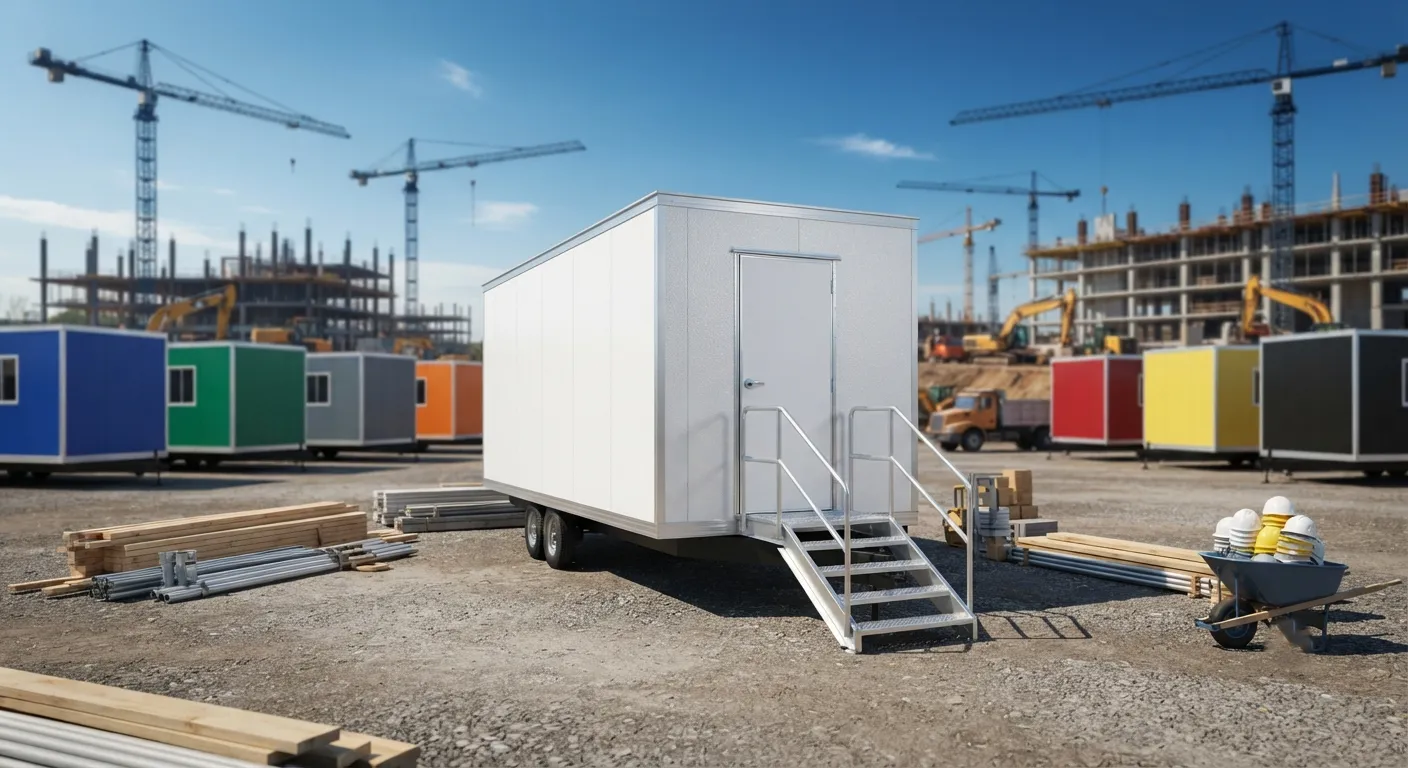
When should I schedule septic tank pumping?
Schedule before the tank is full, not after it backs up into the house. Most residential tanks in the 1,000 gallon range need service every 3 to 5 years, but a full house of five people wears through that interval faster than a couple living alone. Waiting past due raises the risk of a backup, and backups cost more to fix than a routine pump. If you are renovating a bathroom or kitchen and the septic line will be disconnected for a stretch, pair the pump-out with a holding tank rental so the household still has working plumbing. Homeowners doing larger renovation projects in Yonkers often add a home renovation porta potty to the job site too, since contractors need somewhere for the crew to go while the bathroom is torn out. For anyone managing multiple rental properties, our septic tank cleaning page covers scheduling across several addresses at once, which keeps every tank on its own 3 to 5 year clock instead of guessing.

Do commercial properties pay a different rate for septic service?
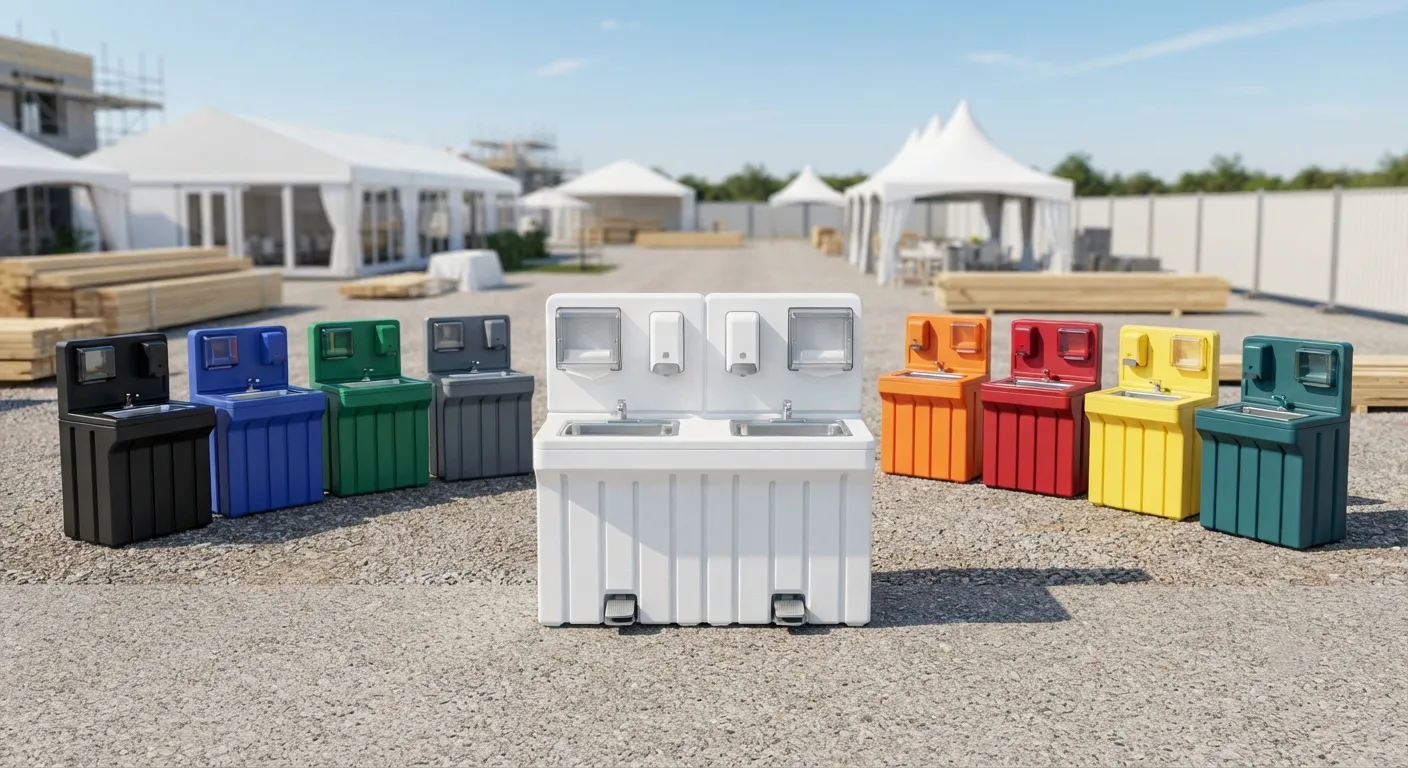
Yes, commercial and food-service properties usually pay more because grease interceptors and larger tanks take longer to service and often need more frequent visits. A grease interceptor gets pumped once fats, oils, grease and solids build up to 25 percent of the liquid depth, which for a busy kitchen can mean monthly service instead of a multi-year cycle. Construction sites in Yonkers running their own septic systems, or handling wastewater from job trailers, should also check OSHA 1926.51(c) for toilet facility ratios if the crew is using portable units alongside the septic line. Sites that run water for handwashing need to follow OSHA 1926.51(a)(1), which requires an adequate supply of potable water at every workplace. If paints, coatings, herbicides or insecticides are part of the job, OSHA 1926.51(f)(1) requires washing facilities specifically for that contaminant exposure. Our construction site services page covers how septic, portable toilets and handwashing stations fit together on an active job site.
Where can I find septic pumping cost details near me?
The pricing above applies across Yonkers and the towns nearby, including Hastings-on-Hudson, 3.8 miles north, and Eastchester, 4.8 miles east. Distance affects the delivery side of a job more than the pumping itself, since a truck still has to travel from wherever it is dispatched. For homes further out, Dobbs Ferry sits 5.5 miles north and Pelham is 6.1 miles southeast, both within normal service range. If you are comparing costs across property types, our septic tank pumping cost numbers above are the residential baseline, while commercial grease trap work is priced separately. Customers who also need waste removal on the same visit, like clearing out a garage during a septic job, often add a roll-off dumpster rental or check dumpster rental cost for a same-day quote. You can see full price ranges for pumping visits in the table below.
| service | duration | low | typical | high |
|---|---|---|---|---|
| septic pumping | day | 150 | 250 | 300 |
| septic pumping | weekend premium | 50 | 100 | 150 |
How much does it cost to pump a 1,000 gallon septic tank?
A 1,000 gallon tank falls into the standard day-rate range of 150 to 300 dollars, since most residential tanks in Yonkers are sized around that mark. The exact number depends on access to the tank lid and how full it already is. Weekend visits add 50 to 150 dollars.
How often does a residential septic tank need pumping?
Every 3 to 5 years for most households, driven by tank size and how many people live in the home. A larger household wears through the interval faster. Watch for slow drains or odor near the leach field as early warning signs between scheduled visits.
Is septic pumping cheaper on weekdays than weekends?
Yes. Weekday day-rate service runs 150 to 300 dollars, while weekend visits carry a premium of 50 to 150 dollars on top. If your tank is not an emergency, booking a weekday slot saves money.
Do grease traps cost more to pump than septic tanks?
Grease traps are priced separately from residential septic tanks because they fill faster and need service once fats, oils, grease and solids hit 25 percent of the liquid depth. Restaurants often need monthly visits instead of a multi-year cycle. See grease trap pumping for details specific to commercial kitchens.
What should I do if my septic tank backs up before its scheduled pump?
Call for emergency service right away rather than waiting for the routine appointment. Backups get worse the longer they sit, and they can damage the leach field. Our emergency septic service line handles these calls ahead of scheduled routine pumping.
Next step
Get a delivery date
Tell us the address, the dates and the headcount. We size the order and confirm the route.