
How fast can you get toilets out after a flood or storm?
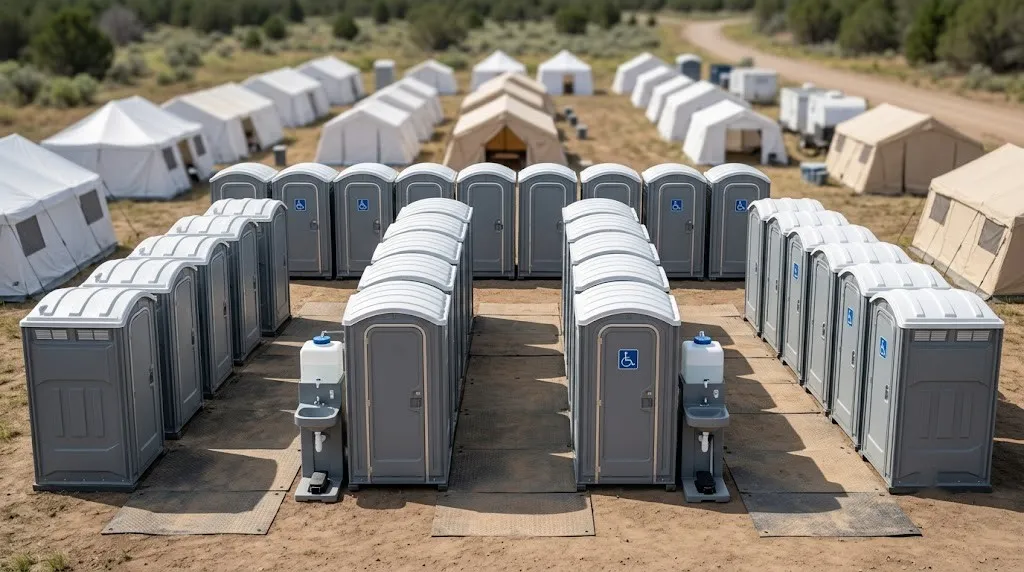
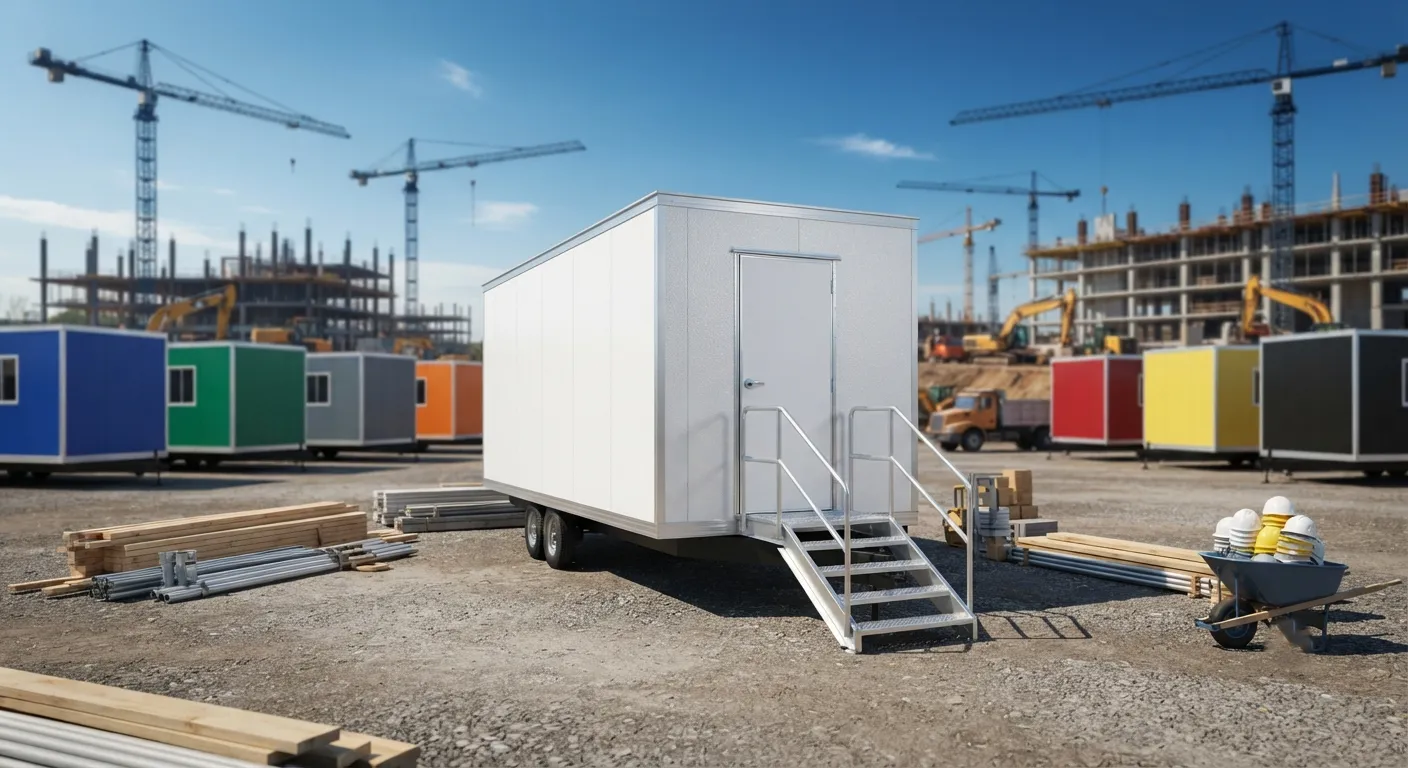
Emergency response is what this page is for, and speed is the whole job. When power or septic service fails across a block in Yonkers, the first call is usually for emergency porta potty rental, because shelters and command posts need working restrooms before anything else gets organized. A standard unit needs about 44 by 48 inches of ground space and stands roughly 92 inches tall, so most driveways, lots and staging areas in Yonkers can take one without special clearance. If the water table is still high or access is muddy, roll-off delivery trucks need about 60 feet of straight clearance behind them, which matters when you are picking a drop point near a shelter entrance. We also stock ADA accessible units for evacuation centers, since ADA Standards section 213.2 requires at least one accessible unit in any cluster, and a nursing home or school gym pressed into service as a shelter will have residents who need that ramp and the 60 inch turning circle called out in ADA Standards section 304.3.1. For multi-day deployments serving crews or displaced families, a restroom trailer or even an 8 stall trailer covers higher headcounts better than scattered single units, and a holding tank rental can back up a home whose septic line failed in the storm.
What do relief crews and shelters actually need on site?
Toilets, handwashing, water storage backup, and a way to haul debris, in that order. OSHA 1926.51(a)(1) requires an adequate supply of potable water at any workplace, and that standard is a fair baseline for a relief site too, even one running on generator power. Pair every restroom cluster with a handwashing station or a portable sink, since 29 CFR 1910.141(d)2) calls for soap and towels or a hand-drying device at wash stations, not sanitizer alone. Debris removal runs in parallel: downed trees, ruined drywall and flooded furniture pile up fast, and a roll-off dumpster sized right for the block matters more than people expect. A 20 yard dumpster handles most storm cleanup from a single home, while a 30 yard dumpster suits a shelter site or multi-unit building. Check what cannot go in a dumpster before loading, since some storm debris, like propane tanks or certain chemicals, needs separate disposal. Crews working outside for days benefit from a light tower once daylight runs out, and a temporary power pole keeps trailers and pumps running where utility service is still down. If a relief operation needs to lock down a staging yard overnight, temporary fencing or a storage container secures tools and supplies between shifts.
Where does placement and access matter most in an emergency?
Placement decisions move faster in a disaster, but the same ground rules apply. Firm, level ground still matters, matching ADA Standards section 302.1 on stable, slip-resistant surfaces, which counts double when a shelter site has elderly residents moving between a gym and a parking lot restroom. Keep at least a 32 inch clear door path per ADA Standards section 404.2.3 so a walker or narrow wheelchair can pass, and check that any accessible route holds the 36 inch minimum clear width under ADA Standards section 403.5.1. Placement in the public right of way, like a curb lane closed for a shelter drop-off, needs confirming with the City of Yonkers before units go down; do not assume a blanket exemption during an emergency. Our porta potty placement guide covers ground conditions and clearance in more depth. For crews driving in from outside the city, Tuckahoe sits about 3.2 miles east and Hastings-on-Hudson about 3.8 miles north, both close enough for us to stage extra units quickly if a storm knocks out service across a wider stretch of the lower Hudson Valley. Eastchester, roughly 4.8 miles east, and Pelham, about 6.1 miles southeast, fall into that same fast-response radius. For ongoing agricultural or farm-based relief operations, see farm and agricultural restrooms, and general construction site services covers debris and power needs once rebuilding starts.
How many toilets does a shelter or relief site need?
Use OSHA 1926.51(c)(1) as the baseline: one toilet for 20 workers or fewer, scaling up from there. Shelters with a mixed public population should plan generously above that minimum. See how many porta potties do I need for a full breakdown by headcount.
Can you deliver on short notice during an active emergency?
Yes, that is the core of this service. Call Yonkers Porta Pros directly rather than filling out a standard quote form when time is critical. Availability depends on storm scope across the region, so earlier contact means better placement.
Do you provide handwashing stations along with toilets?
Yes. Handwashing stations pair with every restroom cluster we deploy, meeting the soap-and-towel requirement under 29 CFR 1910.141(d)(2). See handwashing station rental for unit details and setup.
What if our septic system failed in the flooding?
A holding tank rental is the fastest bridge while a septic system gets repaired or pumped. Pair it with emergency septic service if the tank itself needs pumping before repairs begin.
Should we rent a dumpster at the same time as restrooms?
Usually, yes. Storm debris piles up as fast as sanitation needs grow. A roll-off dumpster delivered alongside restrooms keeps a relief site from turning into two separate headaches.

Next step
Get a delivery date
Tell us the address, the dates and the headcount. We size the order and confirm the route.