
How Do Porta Potties Work?
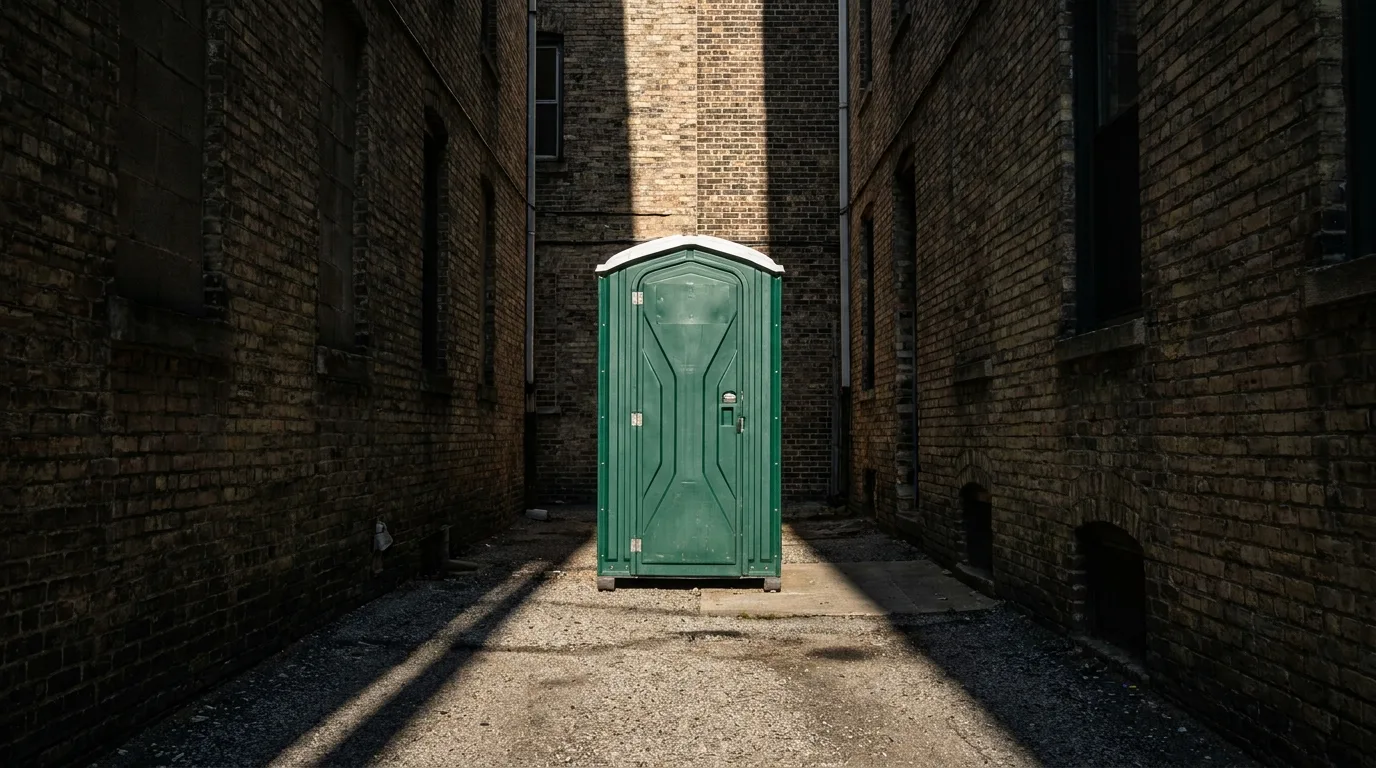
The setup is simpler than most people expect. A standard porta potty rental is a molded plastic booth, about 44 by 48 inches on the ground and 92 inches tall, sitting over a holding tank. There's no flush and no water line. Waste drops straight into the tank, where a blue chemical solution neutralizes odor and starts breaking down solids. That's the whole mechanism behind a construction worker running to a porta potty on a job site in Yonkers and stepping back out ninety seconds later. Ventilation vents near the roof keep air moving. A hand sanitizer dispenser is mounted inside the door on most units, though it doesn't replace real handwashing. For a closer look at unit dimensions and layout, the portable toilet rental page breaks down what's standard versus deluxe. ANSI/PSAI Z4.3, the industry service standard, sets a baseline of one pump-out visit per week for up to 10 users over a 40 hour week, which is why job sites budget service into their weekly costs, not just the porta potty rental cost of the unit itself.
How Do Flushable Porta Potties Work?
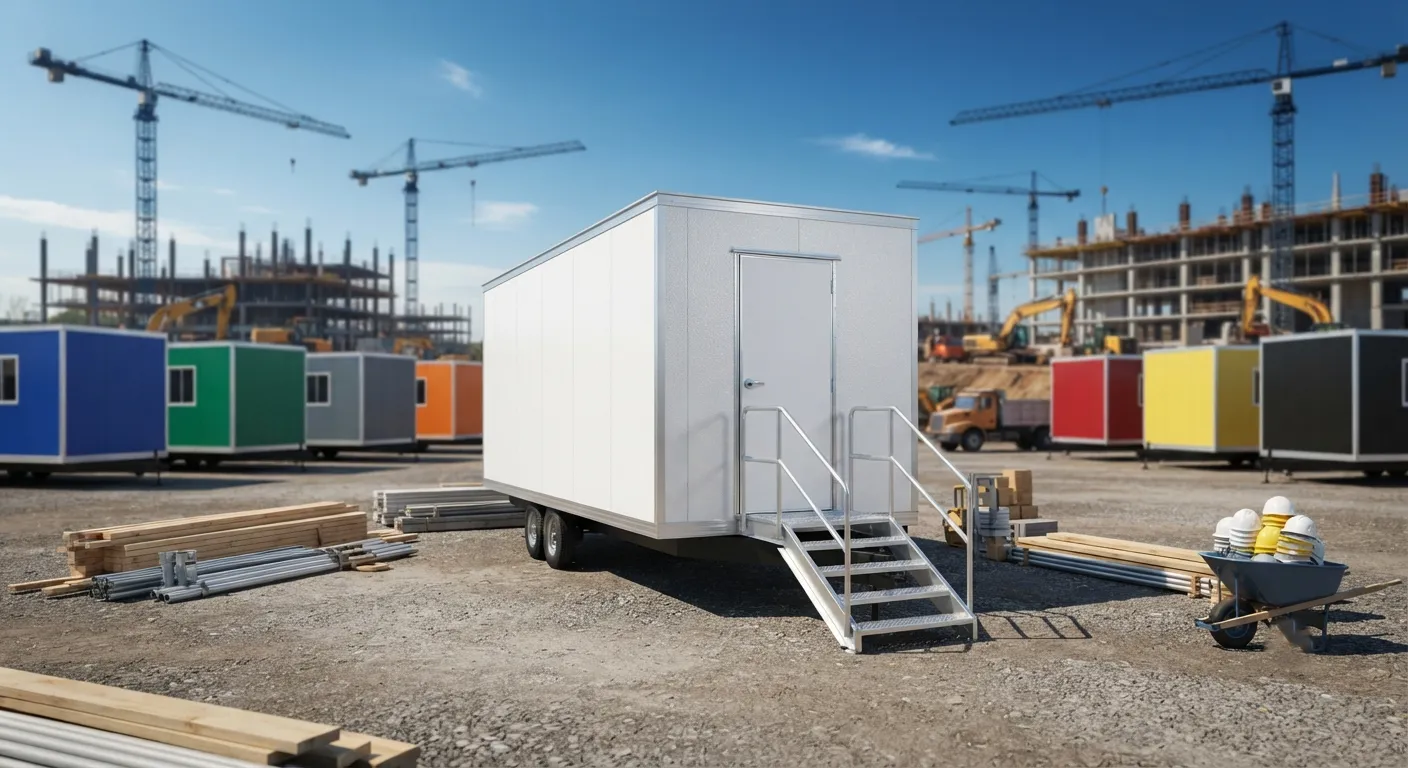
A deluxe or flushable unit adds a small onboard freshwater tank and a foot pump or pedal flush that pushes a rinse of water into the bowl, moving waste into a separate holding tank instead of leaving it to sit exposed. The deluxe flushable porta potty option also usually includes a sink with its own reservoir, running water, and sometimes a small mirror and interior light. This is the unit most weddings and private events near Yonkers ask for. Restroom trailers take that idea further: a restroom trailer rental runs on a fresh water tank feeding real flush toilets and sinks, closer to indoor plumbing than a standalone unit. If you're weighing options for a backyard wedding or a corporate event, the 2 stall restroom trailer and 4 stall restroom trailer pages lay out capacity by guest count.
How Does a Portable Sink Work?
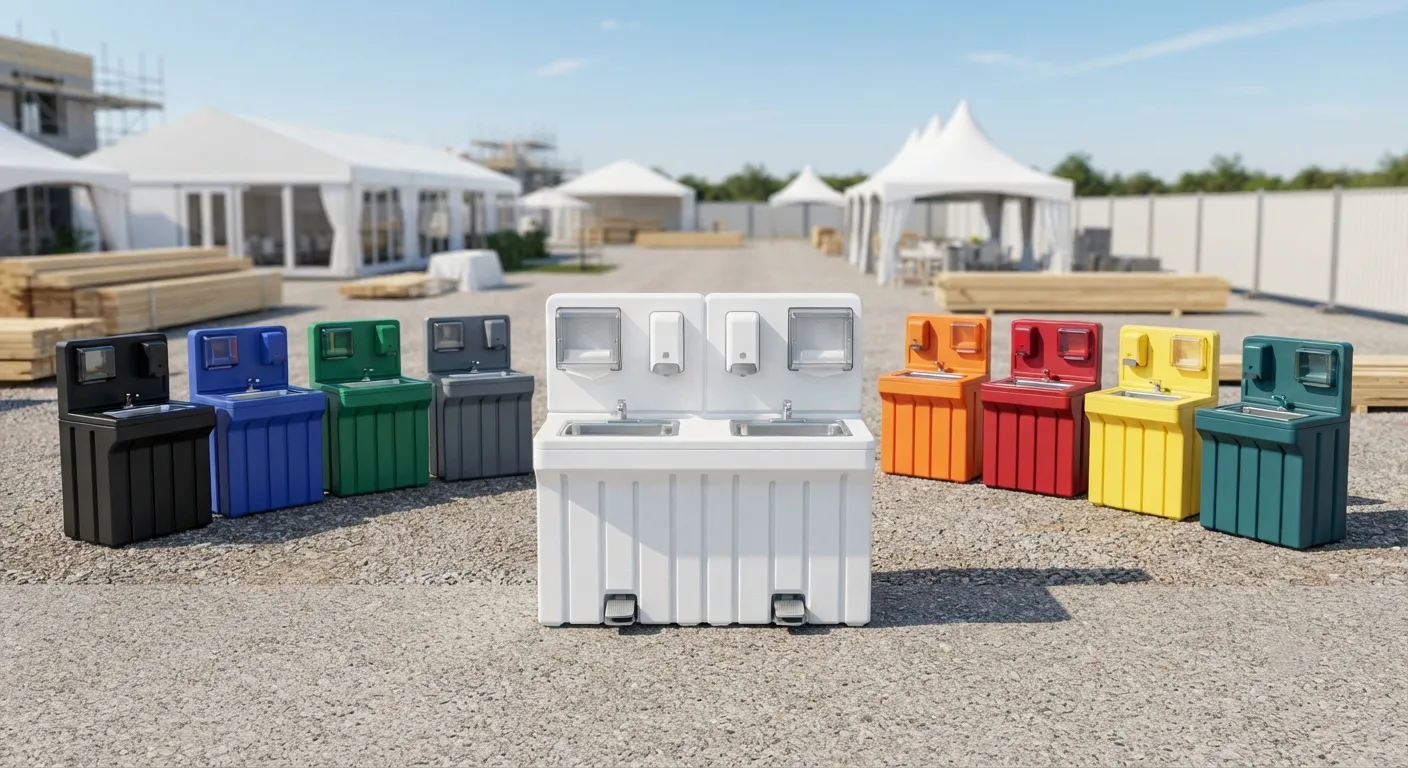
A portable sink rental uses a freshwater reservoir, usually gravity-fed or foot-pump operated, that pushes water through a spout into a small basin. Wastewater drains into a separate holding tank underneath, so nothing goes onto the ground. Soap and paper towels are standard. This matters more than people think: 29 CFR 1910.141(d)(2) requires washing facilities to include soap and towels or a hand-drying device, and a bottle of hand sanitizer sitting on a table doesn't satisfy that. For crews doing painting, coating, or pesticide work, OSHA 1926.51(f)(1) specifically requires washing facilities because of the contaminants involved, not general dirt. If you're scoping a job site in Yonkers with that kind of work, check the handwashing station rental and handwashing requirements pages before crews show up. A hand sanitizer station rental is a fine supplement but it's not a substitute under that regulation.
Do Porta Potties Use Chemicals That Are Safe?
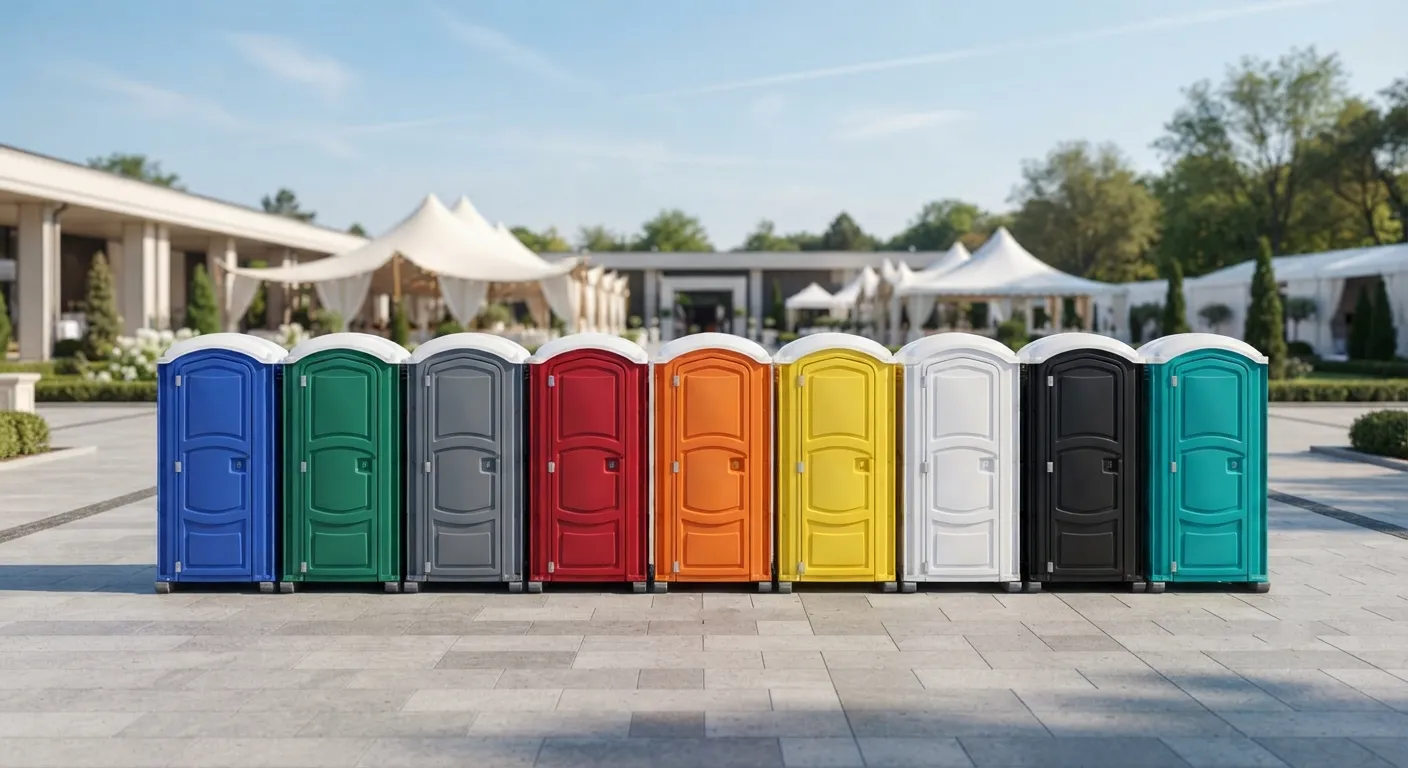
Yes. The chemical is a diluted deodorizing and enzyme solution designed to sit in a sealed tank, not something that touches skin under normal use. It's the same category of product whether you're asking about portable toilet chemicals near a Yonkers job site or how camping porta potties work at a state park sixty miles upstate. The chemical does three things: masks odor, breaks down solid waste, and keeps the liquid from foaming during transport. Yonkers Porta Pros refills it at every service visit rather than topping it off, since a diluted mix stops working properly. This matters for anyone comparing a porta john rental for a weekend party against a full portable restroom rental setup for a month-long construction job, since chemical refresh frequency should track your service schedule either way. For placement and clearance questions on a tight lot, the porta potty placement guide covers what a delivery crew needs, including the roughly 60 feet of straight clearance a roll-off or trailer truck needs to back in.
Frequently Asked Questions
How often does a porta potty need to be pumped?
For steady use, once a week is standard under the ANSI/PSAI Z4.3 baseline of 10 users over a 40 hour week. High-traffic events need more frequent service. Construction sites in Yonkers running multiple shifts often bump to twice weekly. Check the how often are porta potties cleaned page for specifics.
How many porta potties does a job site need?
OSHA 1926.51(c) sets the ratio: one toilet for 20 or fewer workers, then one seat and one urinal per 40 workers up to 200. Above that it's one per 50. The how many porta potties do I need guide walks through the math for larger crews.
Do porta potties smell?
Less than people expect if serviced on schedule. Odor control chemical and roof vents handle most of it between pump-outs. Heat and missed service visits are the usual culprits. Full detail is on the do porta potties smell page.
Are porta potties ADA accessible?
Standard units aren't. An ADA accessible porta potty is wider, with a ramp and a turning space that meets ADA Standards 304.3.1's 60 inch turning circle requirement. ADA Standards 213.2 requires at least 5 percent of clustered units to be accessible, never fewer than one.
Can I rent a porta potty for just a weekend in Yonkers?
Yes. Weekend rates run higher per day than a weekly rental but lower than booking single days separately. Yonkers Porta Pros delivers to Yonkers and nearby towns like Tuckahoe, 3.2 miles east, and Hastings-on-Hudson, 3.8 miles north. See porta potty rental per day for pricing structure.
Next step
Get a delivery date
Tell us the address, the dates and the headcount. We size the order and confirm the route.